
Research Projects
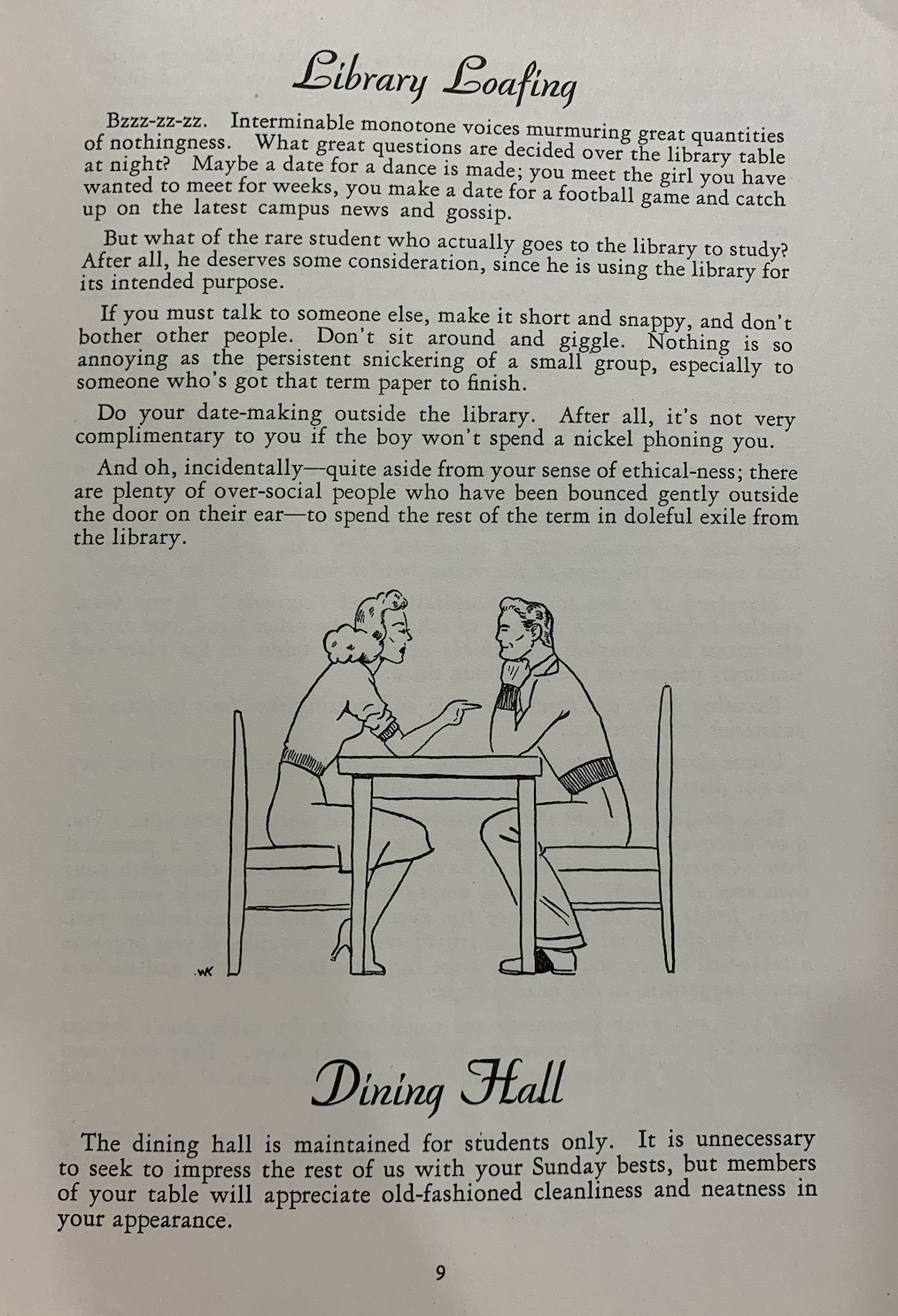
“Don’t Spoil the Scenery”: Embodied Rhetorical Instruction in University of Maryland Etiquette Books
An adaptation of a dissertation chapter, this essay develops embodied rhetorical instruction as a concept for feminist rhetorics. Embodied rhetorical instruction is a means of teaching rhetors how to enact rhetoric through bodily comportment. I develop this concept through analyzing the University of Maryland’s (UMD) 1937 and 1940 etiquette book, To Do Or Not To Do (To Do), which taught women students how to dress and style themselves for class, dates, and dances. Ultimately, I argue that the stated purpose of To Do is to offer women students advice on how to act appropriately in the myriad new settings they encounter in college. Furthermore, the consistent focus on how to style oneself for potential romance and attention from male students suggests that heterosexual romance is an essential element of college women’s experience at UMD.
Romantasy in Real Life: How Romantasy Affects Readers’ Dating and Romantic Expectations
Chapter in Feral: Romantasy and Its Readers, forthcoming Spring 2027
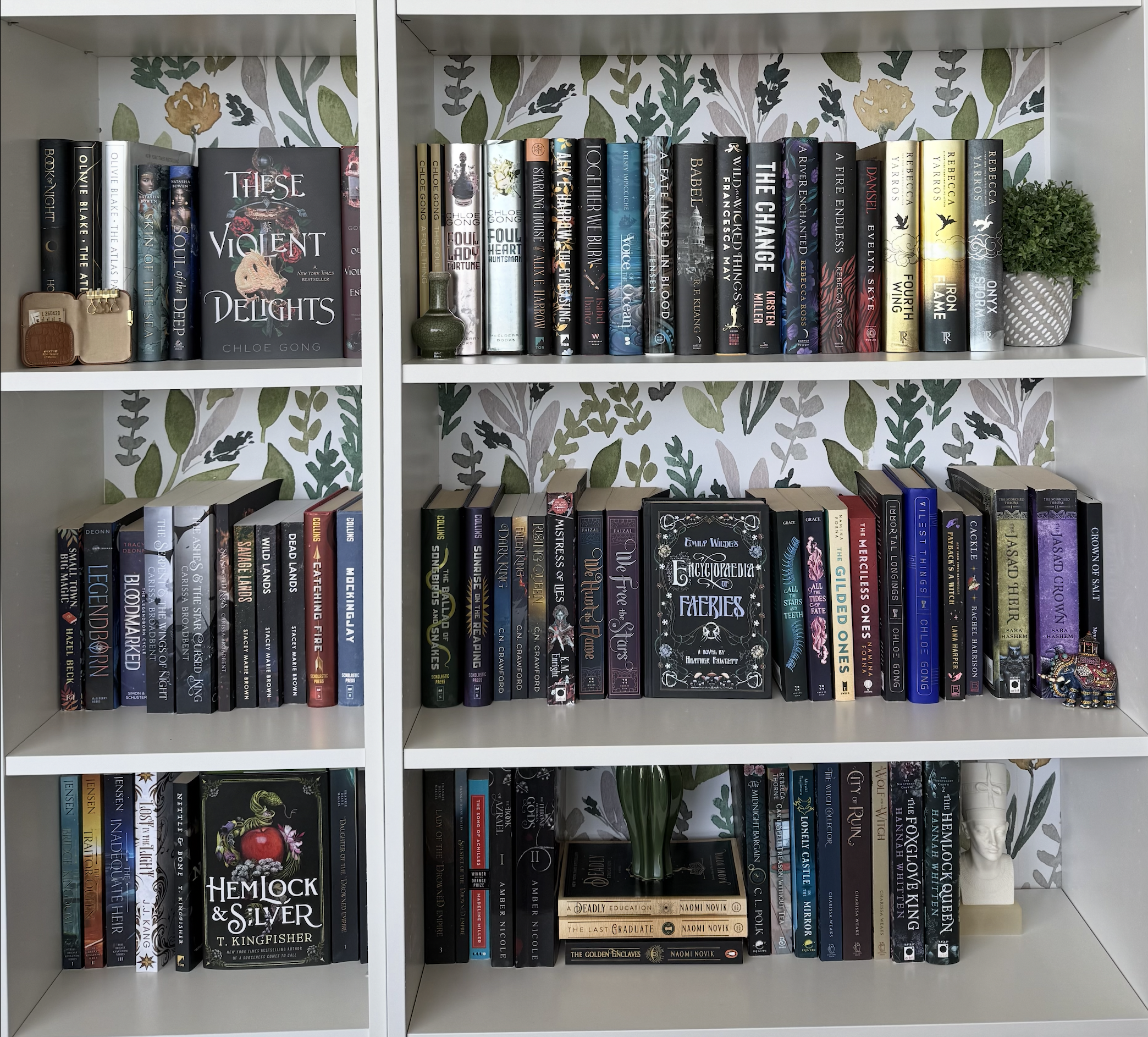
The phrase “the bar is on the floor” has become an old adage in the 2025 dating scene: some women praise men for doing the bare minimum, like “babysitting” their own children; others are shocked when men engage in genuine, two-way conversation on dating apps (rather than monosyllabic replies); and many are floored when men don’t open conversations with sexual innuendos or promiscuous suggestions. Enter, male romantasy leads: swoon-worthy masculine men with “touch her and you die” energy, while somehow also centering the female main character’s emotions, pleasure, and aspirations. What are our book boyfriends teaching us about dating and romantic expectations from male partners when real-life men are often “figuring out their dating goals” at the age of 42? This chapter explores the rhetorical lessons we learn from male romantasy leads and its relation to dating culture in this current moment.
The Rhetorical Power of Appearance: An Archival Study of Beauty Ideals
My dissertation draws from embodied rhetorics and feminist theory to analyze how race, gender, and sexuality impact rhetorical constructions of beauty and, in turn, women’s rhetorical styling choices. I consider how beauty ideals are a form of epideictic rhetoric that have been rhetorically crafted, circulated, resisted, and queered through their circulation. My first body chapter analyzes how the only two archived UMD etiquette books, “To Do Or Not To Do,” from 1937 and 1940 instruct women students on how to dress and style themselves for class, dates, and dances. My second chapter delves into the advertising and marketing boom of the 1950s, examining digitized issues of Ebony to consider how bleaching cream advertisements perpetuated white-centric beauty ideals, which is in direct contrast to Ebony’s beauty-related articles and exposés. Jumping forward to the twenty-first century, my third body chapter contends that NikkieTutorials, a transgender YouTube beauty guru, uses YouTube as an archive and a safe space to confront gendered beauty ideals in ways that express her embodied identity. Ultimately, I argue that beauty ideals are epideictic rhetoric that prioritize whiteness and heterosexuality; further, styling oneself in a particular way allows rhetors to assert their embodied identity, conform to or resist gender roles, and craft their selected ethos. Thus, my dissertation intervenes in scholarly conversations about embodiment and rhetorics of display (Prelli; Chun; Mckoy) to posit that beauty ideals and one’s outward appearance hold significant rhetorical weight.

Technofeminism, Twitter, and @SheRatesDogs’s Counterpublic Rhetoric
Computers and Composition, vol. 69, Sept. 2023, doi.
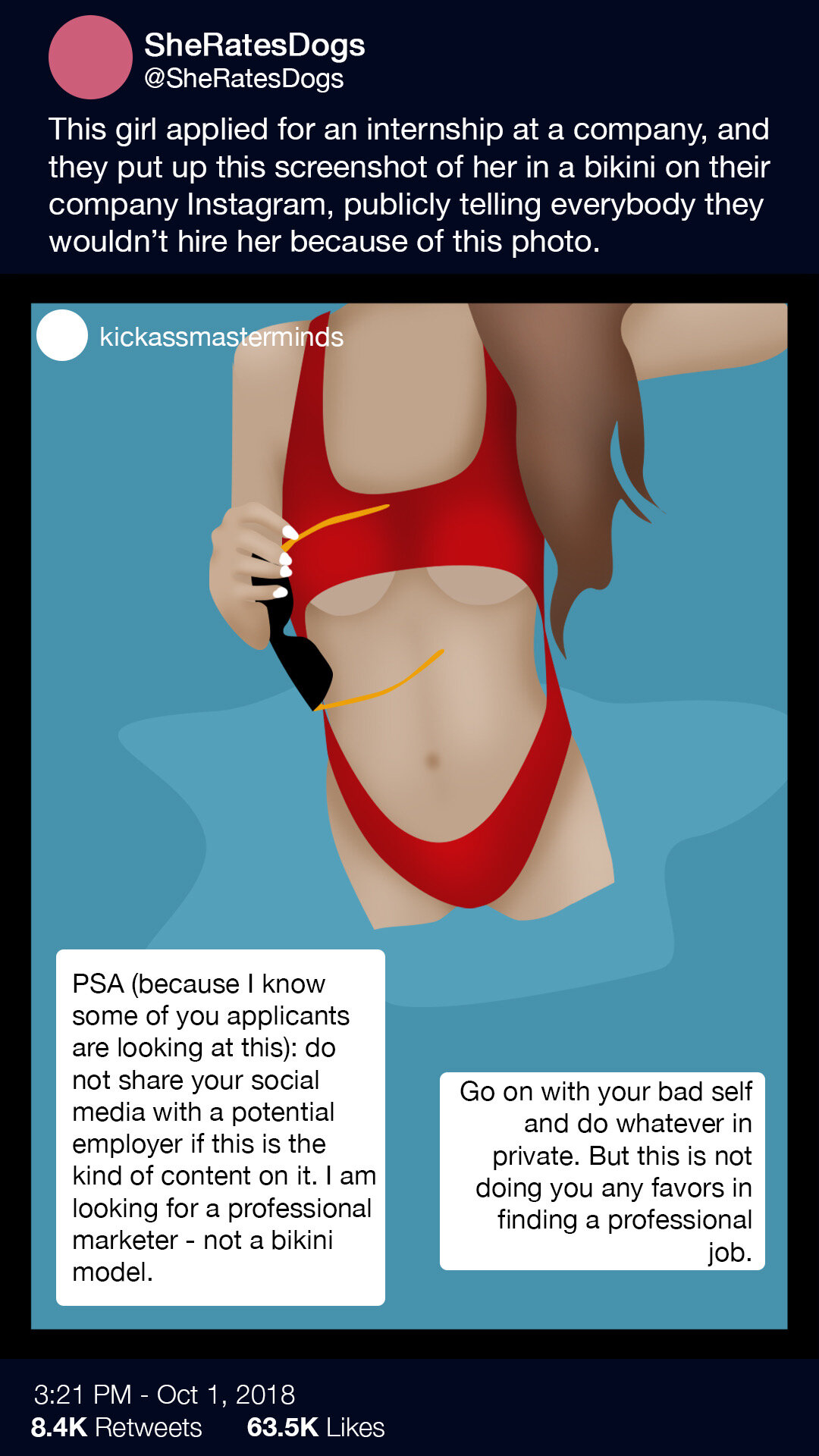
This article analyzes the Twitter account @SheRatesDogs to determine if and how it rhetorically constitutes a technofeminist counterpublic. Ultimately, this essay argues that SheRatesDogs is a technofeminist counterpublic because it brings together Twitter users who want to end harmful, volatile, and sexist online discourse. The counterpublic uses common themes—humor, anger, and calls to action—to promote the public’s awareness of these harmful discourse norms and to successfully demand institutional change from businesses and universities

“Isn’t She Lovely?”: A Rhetorical Analysis of Cosmetics Advertisements from the Long 1950s
My MA thesis explores how cosmetics advertisements in Ladies’ Home Journal (LHJ) and Ebony both mirrored and shaped the culture of the long 1950s (1945-1963) and attempted to influence people’s perceptions of women. The cosmetics advertisements found in LHJ sell a fantasy of fame, sexual pleasure, and domestic bliss to craft fantasies for their readers, they and ultimately create an unobtainable beauty ideal for white women. The cosmetics advertisements in Ebony use racial appeals to craft beauty ideals not based on white standards, and promote products created by African American women for African American women to suggest racial pride. This study works to reclaim cosmetics from its trivialized, superficial stereotype to prove how makeup is rhetorical.